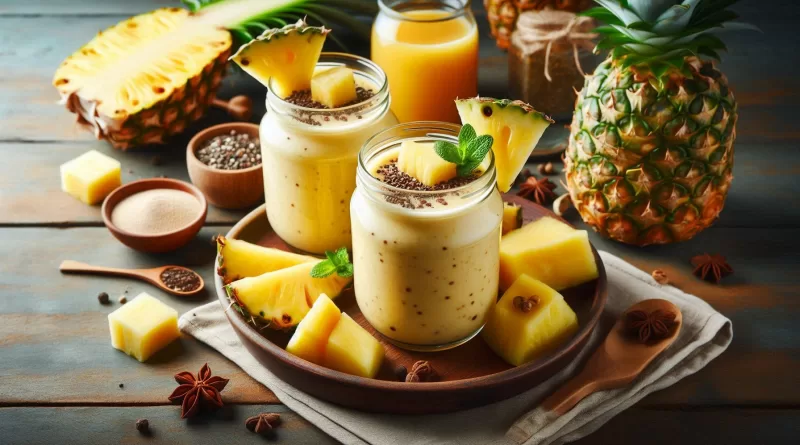
Pineapple & Bromelain Smoothies: Anti-Inflammatory Benefits & Glycemic Pairing
Direct Answer: Balancing Pineapple Bromelain with Blood Sugar Control
Fresh pineapple supplies bromelain, a proteolytic enzyme complex studied for modulating inflammatory signaling and easing post-exercise soreness. Because pineapple contains roughly 16 grams of natural sugar per cup, blending it with 20 to 30 grams of protein, viscous fiber, and healthy fats slows gastric emptying and stabilizes post-meal blood glucose.
The Biological Why: Bromelain Enzymology and Glycemic Buffering
Pineapple (Ananas comosus) stands apart from most tropical fruits because it contains bromelain—a mixture of sulfhydryl proteolytic enzymes concentrated in the stem and present in meaningful amounts in raw fruit flesh and core. According to clinical research, bromelain survives partial gastric transit and assists in hydrolyzing dietary proteins into smaller peptides. In practical terms, using raw or flash-frozen pineapple alongside a protein-rich smoothie may enhance digestive comfort for busy adults and athletes consuming larger protein servings.
Established Evidence vs. Emerging Clinical Findings
It is established biochemistry that bromelain acts as a cysteine protease capable of cleaving peptide bonds across a broad pH range (roughly pH 4.5 to 9.5), and heat pasteurization above 60 to 70 degrees Celsius denatures its enzymatic activity. That means canned or heat-treated pineapple juice delivers minimal active bromelain compared with fresh or frozen raw fruit. Meanwhile, clinical trials examining oral bromelain for post-surgical edema, sinus comfort, and delayed-onset muscle soreness (DOMS) represent promising but still emerging evidence, as many human studies use concentrated standardized stem extracts (measured in GDU or MCU units) rather than culinary fruit portions alone.
Why Glycemic Pairing Matters When Blending Tropical Fruit
One cup (165 grams) of fresh pineapple chunks provides approximately 22 grams of total carbohydrates, 2.3 grams of fiber, and 16 grams of naturally occurring sugars, with a moderate glycemic index near 59. When fruit is pulverized in a high-speed blender without structural buffers, mechanical disruption speeds up sugar availability in the small intestine. Pairing 3/4 to 1 cup of pineapple with 22 to 28 grams of protein, 7 to 11 grams of soluble and insoluble fiber, and 12 to 18 grams of healthy fats blunts the postprandial glucose peak by slowing gastric emptying and stimulating incretin hormone release.
Glycemic-Paired Pineapple Smoothie Comparison
| Smoothie Formula | Pineapple Portion | Protein | Fiber | Healthy Fat | Functional Focus |
|---|---|---|---|---|---|
| 1. Ginger Turmeric Recovery Blend | 3/4 cup fresh/frozen | 26 g | 9 g | 15 g | Proteolytic digestion & joint comfort |
| 2. Green Kale & Avocado Pineapple Shield | 3/4 cup fresh/frozen | 24 g | 10 g | 16 g | Lutein, folate & flat glucose curve |
| 3. Coconut Chia Piña Protein Shake | 2/3 cup fresh/frozen | 25 g | 11 g | 17 g | Sustained morning satiety |
| 4. Mint Cucumber Electrolyte Cooler | 3/4 cup fresh/frozen | 23 g | 8 g | 13 g | Hydration & post-training replenishment |
| 5. Tart Cherry & Pineapple Evening Blend | 1/2 cup fresh/frozen | 24 g | 8 g | 14 g | Antioxidant recovery & light evening fuel |
Practical Application: 5 Balanced Pineapple & Bromelain Recipes
To preserve active bromelain, select fresh ripe pineapple (including small slices of the tender inner core, which holds higher enzyme concentrations) or unsweetened flash-frozen chunks. Always build each glass around the three-part triad of protein, fiber, and healthy fat before blending with ice for 30 to 45 seconds.
1. Ginger Turmeric Recovery Blend
- Protein: 1 scoop unflavored or vanilla whey isolate (25 g) or pea-rice blend
- Fiber: 1 tablespoon chia seeds plus 1 tablespoon ground flaxseed (7 g fiber combined)
- Healthy Fat: 1/4 medium avocado plus 1 teaspoon extra-virgin coconut oil (supports curcumin absorption)
- Bioactive Base: 3/4 cup fresh or frozen pineapple, 1/2 teaspoon grated fresh ginger, 1/4 teaspoon ground turmeric, pinch of black pepper, 1 cup unsweetened almond milk
2. Green Kale & Avocado Pineapple Shield
- Protein: 3/4 cup plain 2% Greek yogurt (16 g) plus 1 tablespoon hemp hearts (3 g) and 1 tablespoon collagen or protein booster (5 g)
- Fiber: 1.5 cups stemmed baby kale, 1/3 medium avocado, and 1 tablespoon ground flaxseed
- Healthy Fat: Avocado oleic acid plus hemp omega-3/6 fats
- Bioactive Base: 3/4 cup frozen pineapple, juice of 1/2 lime, 3/4 cup cold filtered water
3. Coconut Chia Piña Protein Shake
- Protein: 1 scoop vanilla plant or whey protein (24 g)
- Fiber: 2 tablespoons chia seeds (8 g fiber) plus 1/4 cup frozen cauliflower rice (undetectable taste, adds bulk and prebiotic fiber)
- Healthy Fat: 2 tablespoons canned unsweetened coconut cream
- Bioactive Base: 2/3 cup fresh pineapple chunks, 1 cup unsweetened coconut milk beverage, dash of nutmeg
4. Mint Cucumber Electrolyte Cooler
- Protein: 1 scoop unflavored whey or soy isolate (23 g)
- Fiber: 1/2 medium cucumber with skin, 1 tablespoon psyllium or acacia fiber, 1 tablespoon chia seeds
- Healthy Fat: 1.5 tablespoons raw cashew butter or pumpkin seed butter
- Bioactive Base: 3/4 cup frozen pineapple, 8 fresh mint leaves, pinch of sea salt, 1 cup coconut water diluted 1:1 with plain water
5. Tart Cherry & Pineapple Evening Blend
- Protein: 1/2 cup low-fat cottage cheese (14 g) plus 10 g unflavored micellar casein or protein isolate
- Fiber: 1/2 cup frozen tart cherries, 1 tablespoon ground golden flaxseed
- Healthy Fat: 1.5 tablespoons raw walnut halves
- Bioactive Base: 1/2 cup fresh pineapple, 1 cup unsweetened almond milk, 1/4 teaspoon vanilla
In Practical Terms: Avoiding Enzymatic Bitterness
Because bromelain actively digests dairy proteins over time, pineapple blended with milk, yogurt, or whey can develop a slightly bitter peptide taste if left sitting on a desk for more than 30 minutes. Blend right before drinking, or use a plant-based pea-hemp protein if you plan to prep your smoothie for a commute.
Frequently Asked Questions
Does canned pineapple work for bromelain benefits?
Canned pineapple provides vitamin C and manganese, yet thermal canning processes denature bromelain enzymes. Here is how this may help: choose fresh whole pineapple or unpasteurized flash-frozen chunks when enzymatic activity is your priority.
Can I eat the pineapple core in a smoothie?
Yes. The fibrous central core contains a higher concentration of bromelain and insoluble fiber than the outer flesh. Cut it into small 1/2-inch pieces so high-powered blender blades pulverize it smoothly.
Is pineapple safe for people watching their A1C or blood sugar?
In portion-controlled amounts of 1/2 to 3/4 cup paired with 20 to 30 grams of protein, 8+ grams of fiber, and healthy fats, pineapple can fit into many glycemic-conscious eating plans. Individuals monitoring blood glucose can confirm their personal response with a post-meal check at 60 to 120 minutes.
Who should be cautious with raw pineapple and bromelain?
People with oral allergy syndrome, latex-fruit cross-reactivity, active gastric ulcers, or those taking prescription anticoagulants or antiplatelet drugs should discuss frequent high-intake pineapple or concentrated bromelain supplements with their clinician.
Medical Disclaimer: This article provides general nutrition education and is not intended to diagnose, treat, or replace medical care. Consult your healthcare provider before using concentrated bromelain or altering your diet if you take blood thinners, antibiotics, or diabetes medications, or have food allergies.