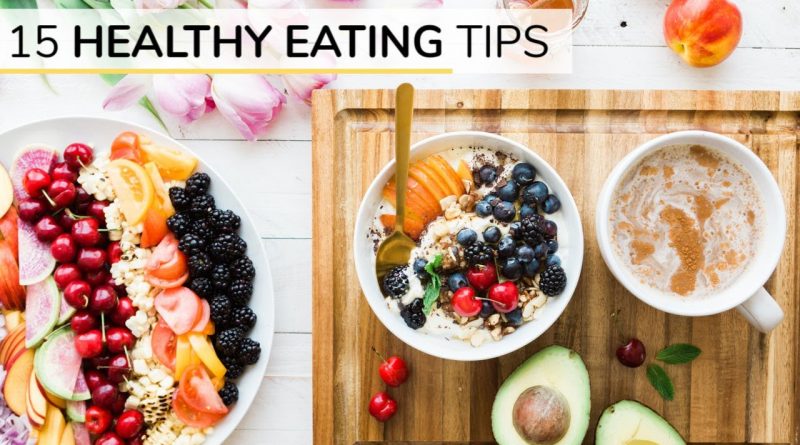
15 Practical Whole-Food Eating Habits for Daily Metabolic Energy
Direct Answer: Which Whole-Food Habits Most Improve Daily Energy?
Consistent daily metabolic energy comes from pairing intact fiber-rich carbohydrates with adequate protein and healthy fats at regular intervals, rather than relying on refined snacks or stimulants. Prioritizing 25 to 35 grams of protein per meal, 25 to 38 grams of daily fiber, and steady hydration stabilizes post-meal blood glucose and satiety hormones.
The Biological Why: Satiety Signaling, Thermic Effect, and Mitochondrial Fuel
Steady energy is less about eating exotic foods and more about avoiding sharp metabolic swings. According to clinical research, ultra-processed foods made from refined flours, industrial oils, and added sugars are digested rapidly in the upper small intestine. Because their natural cellular structure has been stripped away, they trigger fast blood glucose spikes followed by reactive dips, while under-stimulating gut-derived satiety hormones such as glucagon-like peptide-1 (GLP-1), peptide YY (PYY), and cholecystokinin (CCK).
A nutrient-dense approach centered on intact whole foods works through three established mechanisms. First, dietary protein exerts the highest thermic effect of food—requiring roughly 20% to 30% of its caloric energy for digestion and assimilation, compared with 5% to 10% for carbohydrates and 0% to 3% for fats—while preserving metabolically active lean muscle. Second, soluble and insoluble fiber slows gastric emptying and feeds short-chain fatty acid production in the colon. Third, micronutrient density (especially B vitamins, iron, magnesium, and potassium) alongside adequate hydration prevents the subtle cellular fatigue caused by 1% to 2% mild dehydration or micronutrient gaps.
Whole-Food Metabolic Benchmarks at a Glance
| Metabolic Lever | Evidence-Based Target | Primary Biological Mechanism |
|---|---|---|
| Meal Protein Anchor | 25–35 g per main meal | Stimulates GLP-1/PYY satiety, supports muscle turnover, moderates glycemic rise |
| Daily Dietary Fiber | 25 g (women) to 38 g (men) | Slows gastric emptying, flattens post-meal glucose curves, feeds gut microbiota |
| Hydration Baseline | ~2.7–3.7 L total daily fluid (foods + drinks) | Maintains blood volume, nutrient transport, and cognitive alertness |
| Added Sugar Ceiling | Under 25–36 g/day (AHA guideline) | Prevents reactive hypoglycemia and lowers excess hepatic fructose load |
| Whole-to-Refined Food Ratio | 80–85% minimally processed staples | Delivers B vitamins, magnesium, and iron required for mitochondrial ATP production |
Practical Application: 15 Whole-Food Eating Habits for Busy Schedules
Designed for busy professionals, parents, and anyone tired of restrictive diets, these 15 habits prioritize high-return daily routines:
Morning and Meal Structure
- Eat 25 to 35 grams of protein within 90 minutes of waking: Eggs, Greek yogurt, cottage cheese, smoked salmon, or tofu scrambles curb mid-morning grazing.
- Drink 12 to 16 ounces of water before your first coffee: Rehydrating early improves alertness before caffeine enters the picture.
- Sequence vegetables and protein before starches: Clinical meal-sequencing studies show eating fiber and protein first meaningfully blunts post-meal glucose and insulin peaks.
- Follow the half-plate produce rule at lunch and dinner: Fill half your plate with non-starchy vegetables to ensure potassium, magnesium, and polyphenol intake.
- Avoid going longer than 5 hours without balanced fuel during active hours: Extreme fasting windows followed by oversized meals often worsen afternoon slumps for stressed schedules.
Smart Swaps and Food Pairing
- Choose intact whole grains over pulverized flours: Steel-cut oats, quinoa, farro, barley, and buckwheat digest more slowly than crackers or white bread.
- Eat whole fruit instead of drinking juice: Intact fruit preserves the fiber matrix that prevents rapid fructose absorption.
- Include omega-3 rich foods three times weekly: Wild salmon, sardines, mackerel, walnuts, or ground flaxseed support cell membrane fluidity and inflammation balance.
- Pair plant iron with vitamin C: Add lemon, tomatoes, or bell peppers to lentil and bean bowls to improve mineral uptake.
- Season with culinary herbs and spices instead of sugary glazes: Cinnamon, turmeric, ginger, garlic, rosemary, and smoked paprika add antioxidant depth without added sugar.
Kitchen Systems and Sustainable Execution
- Batch-cook one protein and one complex carbohydrate weekly: Having grilled chicken, baked tofu, or cooked quinoa ready turns a 45-minute dinner into a 10-minute assembly.
- Keep two emergency whole-food snacks stocked: Roasted edamame, mixed nuts with an apple, or hard-boiled eggs prevent convenience-store impulse buys.
- Read the ingredient list before front-of-box claims: Look for short, recognizable whole-food ingredients rather than marketing buzzwords.
- Close the kitchen 2 to 3 hours before bedtime: Allowing digestion to wind down before sleep supports overnight metabolic recovery and next-day appetite regulation.
- Apply an 85/15 consistency mindset: Sustainable metabolic health comes from what you repeat most days, not all-or-nothing perfection.
Frequently Asked Questions
Which single habit improves afternoon energy the fastest?
Replacing a refined, low-protein lunch (such as plain pasta or a pastry) with a meal containing 30 grams of protein and two cups of fibrous vegetables typically produces the clearest improvement in afternoon alertness within days.
Do I need to buy 100% organic produce to benefit from whole foods?
No. Clinical research consistently shows that total fruit and vegetable intake drives far greater health benefits than organic status alone. Washing conventional produce thoroughly and prioritizing variety matters most.
How can plant-based eaters hit 25 to 35 grams of protein per meal?
Combine high-protein plant anchors such as extra-firm tofu, tempeh, edamame, lentils, hemp seeds, and soy milk—or pair beans with quinoa or seitan—to reach target amino acid levels without excessive calories.
Can whole-food habits support weight management without calorie counting?
Yes, for many people. High-protein, high-fiber whole foods increase satiety per calorie and reduce passive overeating, making natural energy balance easier to sustain.
Medical Disclaimer: This information is intended for general educational purposes and is not medical advice. Individuals with chronic kidney disease, inflammatory bowel conditions, diabetes, or food allergies should work with a physician or registered dietitian to tailor protein, fiber, and potassium targets safely.