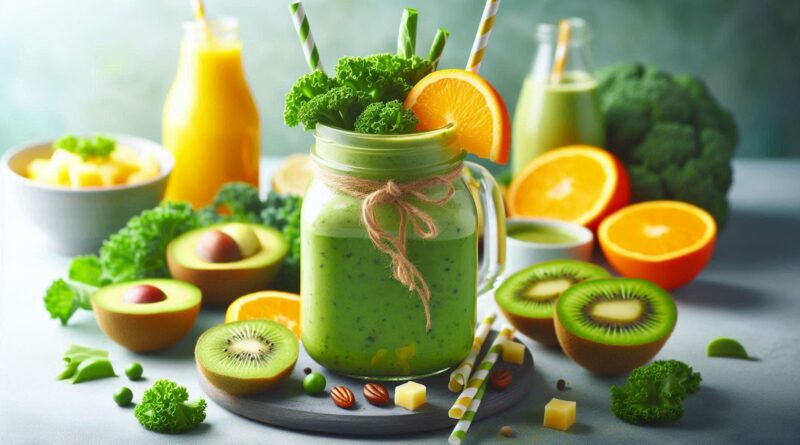
Kale & Cruciferous Smoothies: Sulforaphane, Mineral Balance & Fiber Formulas
Direct Answer: Are Kale & Cruciferous Smoothies Effective for Weight and Metabolic Health?
Kale and cruciferous smoothies support metabolic health and satiety when built with protein, healthy fats, and intact fiber rather than fruit juice. Blending raw brassicas activates myrosinase to convert glucoraphanin into sulforaphane, while pairing greens with 20 to 30 grams of protein slows gastric emptying, moderates blood sugar, and protects lean muscle.
The Biological “Why”: Sulforaphane, Fiber Matrix, and Mineral Balance
In practical terms, many green smoothies fail weight-management goals because they rely on fruit juice, sweet yogurt, or tropical fruit with minimal protein. A nutrient-dense approach treats cruciferous vegetables as functional metabolic anchors rather than passive fillers.
Sulforaphane Activation and Cellular Defense
Cruciferous vegetables such as kale, broccoli sprouts, and red cabbage contain glucoraphanin alongside a heat-sensitive enzyme called myrosinase. According to clinical research, mechanical chopping or blending breaks plant cell walls so myrosinase converts glucoraphanin into sulforaphane, a bioactive isothiocyanate studied for activating the Nrf2 cellular antioxidant pathway. While human trials show promising reductions in oxidative stress and inflammatory markers, sulforaphane is best viewed as supportive cellular nutrition rather than a standalone fat-loss agent.
Intact Fiber, Satiety Signaling, and Glycemic Control
The Dietary Guidelines for Americans recommend 25 to 38 grams of dietary fiber daily, yet most adults consume roughly half that target. Blending whole kale leaves, frozen cauliflower, and chia or flax seeds retains insoluble and viscous soluble fiber. Combined with 20 to 30 grams of protein, this matrix slows gastric emptying, stimulates satiety hormones such as GLP-1 and peptide YY, and blunts post-meal glucose excursions that often trigger mid-morning cravings for busy professionals and weight-loss seekers.
Mineral Bioavailability, Oxalates, and Thyroid Context
Kale offers a distinct mineral advantage over spinach: it is naturally low in oxalates, compounds that bind calcium in the digestive tract and reduce absorption. Established nutritional data show kale provides highly bioavailable calcium, potassium, vitamin K1, and magnesium. Raw brassicas do contain goitrogenic glucosinolates that can compete with iodine uptake at very high intakes; however, clinical guidance indicates that moderate servings paired with adequate dietary iodine (150 mcg daily for most adults) are safe for healthy thyroid function, while light steaming reduces goitrogens for individuals with hypothyroidism.
Clinical Formula Matrix: Building a Balanced Cruciferous Smoothie
| Formula Component | Target Serving | Key Bioactive or Nutrient | Physiological Role |
|---|---|---|---|
| Cruciferous Base (Lacinato kale, broccoli sprouts, or steamed-then-frozen cauliflower) | 1.5 to 2 cups (60 to 120 g) | Glucoraphanin, myrosinase, vitamin K1, potassium | Supports sulforaphane conversion, micronutrient density, and low-calorie volume |
| Protein Anchor (Whey isolate, unsweetened soy/pea isolate, or Greek yogurt) | 20 to 30 g protein | Essential amino acids, leucine | Triggers satiety hormones, preserves lean muscle, and stabilizes post-meal energy |
| Viscous Fiber & Healthy Fat (Chia seeds, ground flax, or avocado) | 1 tbsp seeds or 1/4 avocado | Alpha-linolenic acid (ALA), soluble mucilage fiber | Slows gastric emptying and improves absorption of fat-soluble carotenoids |
| Low-Glycemic Flavor & Acid (Wild blueberries, lemon juice, ginger) | 1/2 cup berries + 1 tbsp lemon | Anthocyanins, vitamin C, gingerols | Enhances palatability, supports non-heme iron uptake, and limits added sugar |
Practical Application: 3 Evidence-Informed Smoothie Formulas
Here is how this may help you turn morning prep into a repeatable, three-minute habit. Blend liquids and greens first for 30 seconds before adding frozen ingredients and protein powder to protect texture and avoid warming the myrosinase enzyme with prolonged friction.
1. The Metabolic Morning Kale & Sprout Formula
- Ingredients: 1.5 cups stemmed lacinato kale, 1/4 cup fresh broccoli sprouts, 1 scoop (25 g protein) unflavored or vanilla whey/pea isolate, 1 tablespoon chia seeds, 1/2 cup frozen blueberries, 1 tablespoon fresh lemon juice, and 10 ounces unsweetened almond or soy milk.
- Why it works: Delivers approximately 28 to 32 grams of protein, 9 grams of fiber, and active myrosinase from raw sprouts for steady four-hour satiety.
2. The Post-Workout Recovery Cabbage & Cocoa Blend
- Ingredients: 1 cup baby kale, 1/2 cup frozen riced cauliflower, 30 grams chocolate protein isolate, 1 tablespoon pumpkin seed butter, 1/2 small frozen banana, 1 teaspoon unsweetened cocoa powder, and 10 ounces cold water.
- Why it works: Pairs magnesium and zinc from pumpkin seeds with 30 grams of complete protein to support muscle protein synthesis in gym-goers without excess added sugar.
3. The Gentle Thyroid-Conscious Steamed Green Blend
- Ingredients: 1 cup lightly steamed and chilled curly kale, 1/2 cup steamed-then-frozen zucchini, 200 grams plain 2% Greek yogurt, 1 tablespoon ground flaxseed, 1/2 cup frozen raspberries, fresh grated ginger, and 8 ounces cold water.
- Why it works: Light steaming reduces goitrogenic activity while preserving potassium, calcium, and 8+ grams of digestive-friendly fiber—ideal for peri-menopausal women or sensitive stomachs.
Frequently Asked Questions
Does blending kale destroy its fiber or sulforaphane?
No. Mechanical blending disrupts plant cell walls, which actually brings glucoraphanin and myrosinase together to generate sulforaphane. While blending reduces particle size compared to chewing, all soluble and insoluble fiber remains intact in the glass.
Can I drink raw kale smoothies every day if I have hypothyroidism?
Moderate cruciferous intake rarely impairs thyroid function when iodine status is sufficient. However, if you have diagnosed hypothyroidism, lightly steaming and freezing your kale beforehand lowers goitrogen content, and separating high-fiber smoothies from thyroid hormone medication by at least four hours prevents absorption interference.
How much sugar should be in a weight-loss kale smoothie?
Aim to keep total sugars under 10 to 12 grams from whole low-glycemic berries rather than honey, agave, or fruit juice. Pairing those carbohydrates with at least 20 grams of protein and 8 grams of fiber helps prevent mid-day energy crashes.
Why add lemon juice or vitamin C to a kale smoothie?
Citrus juice brightens bitter brassica notes without sugar and supplies ascorbic acid, which converts plant-based non-heme iron into a more absorbable form in the small intestine.
Medical Disclaimer: This article is for educational and informational purposes only and does not constitute medical advice, diagnosis, or treatment. Always consult a qualified healthcare provider or registered dietitian before making significant dietary changes, especially if you have thyroid disease, a history of kidney stones, diabetes, or take prescription medications such as warfarin (due to vitamin K1 content).